


Stray Current Corrosion
Posted by BoatZincs.com on 2026 Sep 24th
Few things can scare the wits out of a boater like stray current in the water. Electrolytic corrosion (which, reminder, is not the same thing as electrolysis) occurs when you take the standard recipe for corrosion – an anode, a cathode, some sort of a metallic path, and an electrolyte – and add the variable of an outside electrical current into the mix. This takes whats already an inherently destructive process and supercharges it.
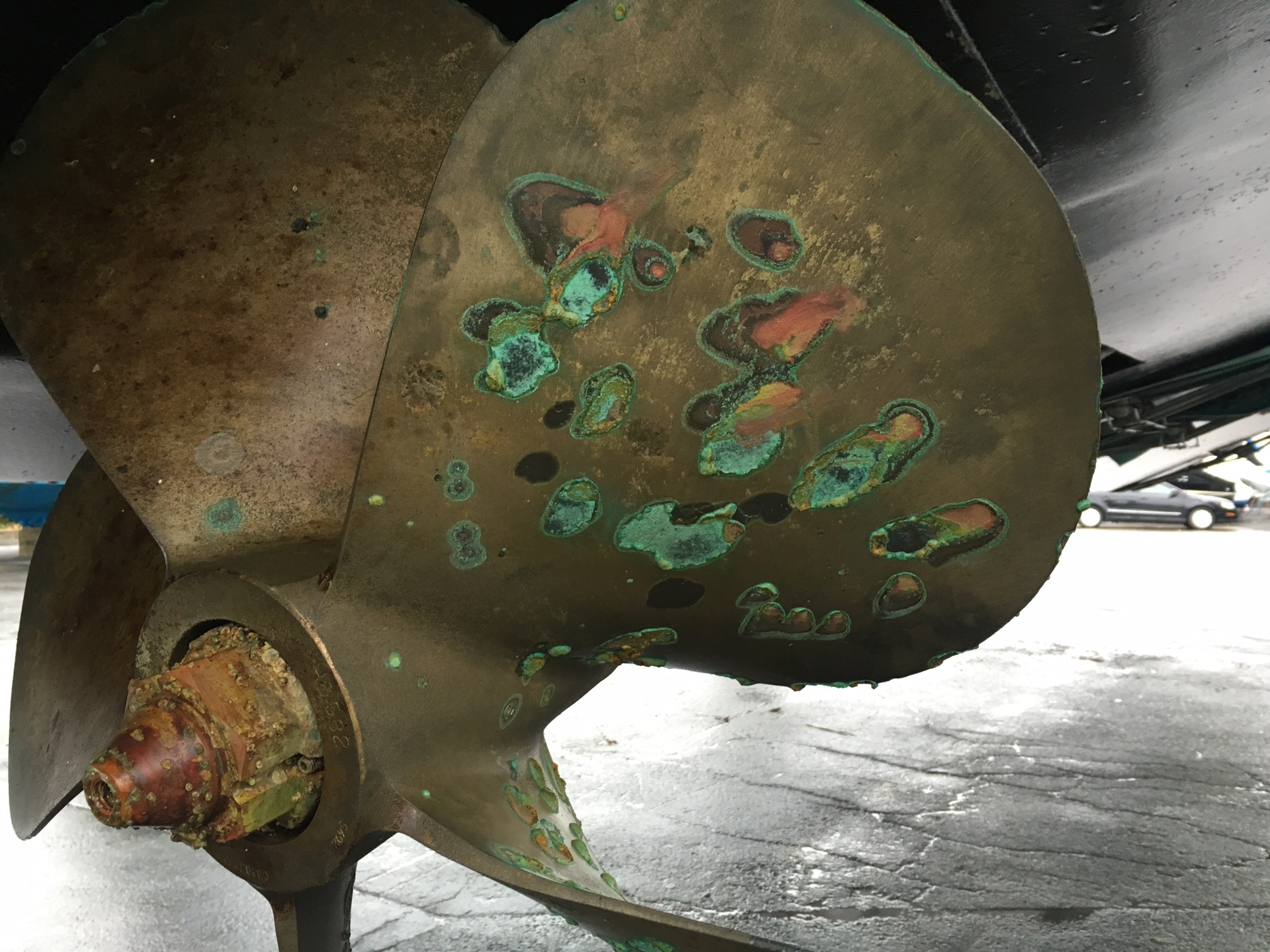
Stray current can come from your own boat, from your neighbors' boat, or from a shoreside outlet. Unchecked, electrolytic corrosion will run its course quickly. Anodes are obliterated quickly, leaving your boat defenseless. From there, it can be truly astonishing how quickly your boat’s underwater metals can be damaged or even destroyed.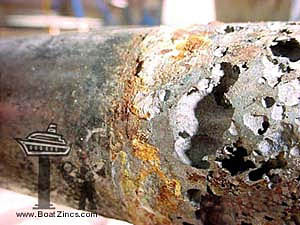 Lots of folks call in and ask how they can know for certain that they're dealing with current in the water? The most reliable way to test for it is with a reference cell. A silver/silver chloride cell will provide accurate, repeatable results, which will let you act on the problem. That may mean sussing out the problem on your own boat, or else finding its source in the water around you. Say you don't have a reference cell on hand. Without those readings to go on, there are still clues to look out for. Electrolytic corrosion is almost always directional. Say the neighbor on your port side is the one throwing current into the water. You would then see the damage on your boat confined to that same side. Anodes dramatically corroding or missing, pitting (or worse) on the prop shaft and blades. But the damage would be confined to that side, the source having come from that direction. Asymmetric damage is a telltale sign of electrolytic corrosion.
This is the type of problem pretty much everyone is afraid of, to some degree, and with good reason. But rather than leaping to conclusions the first time you suspect something, its far more important to take the risk seriously and to investigate. Test, test, test. And when you do, feel free to call or email in with your questions or findings, we'll be happy to help.